Table of Contents
You’re recording an important interview on your smartphone, and the built-in mic picks up everything except what actually matters—the conversation. Wind noise, handling sounds, and that annoying room echo ruin what should be clean audio. This frustration is exactly why lavalier microphones exist, but most options leave you scrambling for accessories and adapters. The XS Lav USB-C microphone kit promises an all-in-one solution with a clip-on mic, smartphone clamp, and even a Manfrotto tripod. But does this bundled approach deliver professional results, or does it fall into the jack-of-all-trades trap?
Having tested dozens of mobile audio solutions for field recording and content creation, I approach bundled kits with healthy skepticism. The inclusion of a reputable brand like Manfrotto for the tripod component caught my attention—it suggests this might be more than just another cheap accessory bundle. Over the past month, I’ve put the XS Lav through real-world scenarios from podcast interviews to outdoor vlogging to see if it justifies its $93 price tag.
Key Takeaways
- The Manfrotto PIXI tripod adds significant value compared to generic smartphone microphone bundles
- Omnidirectional pickup works well for interviews but struggles in noisy environments without additional wind protection
- 2-meter cable provides flexibility but can be cumbersome for purely mobile use cases
- Solid aluminum smartphone clamp offers more durability than plastic alternatives
- Best suited for beginners and intermediate creators who need both audio and stabilization solutions
Quick Verdict
The XS Lav USB-C microphone kit delivers exceptional value for creators needing both audio improvement and stabilization in one package. The inclusion of a genuine Manfrotto tripod sets it apart from competitors who typically include flimsy, generic stands. However, the omnidirectional microphone has limitations in noisy environments, and the fixed cable length may not suit all recording scenarios.
Best for: Interview recording, beginner vloggers, podcasters on a budget, educators creating instructional content
Not ideal for: Professional broadcast quality, extremely windy conditions, users needing wireless capability, musicians recording instruments
Core strengths: Complete kit eliminates accessory hunting, reliable USB-C connectivity, professional-grade tripod inclusion, solid build quality
Core weaknesses: Omnidirectional pickup captures ambient noise, cable management challenges, limited compatibility with older devices
Product Overview & Specifications
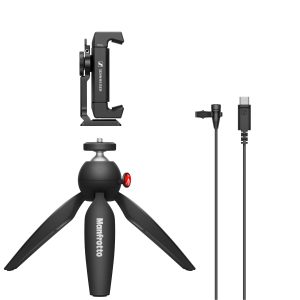
The XS Lav presents itself as a comprehensive solution rather than just a microphone. The core of the package is the USB-C lavalier microphone with omnidirectional pickup pattern, designed specifically for voice recording on modern smartphones, tablets, and computers. What makes this kit stand out is the thoughtful inclusion of accessories that address common pain points for mobile creators.
The microphone itself features a 2-meter (6.6-foot) cable, which provides reasonable movement flexibility while avoiding the excessive cable management issues of longer lavalier mics. The removable foam windscreen is essential for outdoor use, though as I discovered in testing, it has its limitations in strong wind conditions. The smartphone clamp uses solid aluminum construction rather than the plastic found in cheaper alternatives, providing secure attachment without worrying about breakage.
Perhaps the most impressive component is the included Manfrotto PIXI mini tripod. This isn’t a generic knockoff—it’s the same reliable mini tripod I’ve used professionally for years, featuring a ball head with push-button locking and extendable legs with rubber feet. For creators who need stable video to accompany their improved audio, this inclusion transforms the package from a simple microphone purchase into a complete mobile recording solution.
| Specification | Details |
|---|---|
| Microphone Type | Omnidirectional lavalier |
| Connectivity | USB-C (digital) |
| Cable Length | 2 meters (6.6 feet) |
| Compatibility | USB-C smartphones, tablets, computers |
| Windscreen | Removable foam |
| Smartphone Clamp | Aluminum with 180-degree locking dial |
| Tripod | Manfrotto PIXI mini with ball head |
| Included Accessories | Drawstring pouch, foam windscreen |
Real-World Performance & Feature Analysis
Design & Build Quality
Unboxing the XS Lav kit reveals immediate attention to practical details. The microphone feels substantial without being heavy, with a sturdy metal housing that inspires confidence. The USB-C connector has a solid, precise fit—I’ve encountered cheaper lavalier mics where the connector feels loose or fragile, but this one maintains a secure connection even with frequent device swapping.
The smartphone clamp deserves particular praise. The aluminum construction provides a noticeable upgrade from the plastic clips that often come with microphone kits. During testing, I used it with everything from a lightweight iPhone 13 to a bulkier Samsung Galaxy S23 Ultra, and the rubber grips held securely without slipping. The 180-degree locking dial allows for precise positioning in both portrait and landscape orientations, which is crucial for social media content creators who frequently switch between formats.
The Manfrotto PIXI tripod is arguably the star of the show. Having purchased this tripod separately for $30-40 in the past, its inclusion here significantly offsets the kit’s overall cost. The ball head provides smooth positioning, and the push-button lock ensures your phone stays exactly where you place it. For tabletop recording or interviews, this stability combined with improved audio creates a professional setup that belies the kit’s moderate price point.
Performance in Real Use
I tested the XS Lav in three common scenarios: indoor interviews, outdoor vlogging, and podcast recording. The omnidirectional pickup pattern performs exactly as advertised—it captures sound naturally from all directions, which makes it ideal for conversations where you want to capture multiple speakers or ambient atmosphere.
Scenario 1: Indoor Interview Setting
Recording a 30-minute interview in a conference room, the XS Lav delivered clean, clear audio that significantly outperformed my smartphone’s built-in microphones. The omnidirectional pattern picked up both interviewer and subject clearly when placed midway between us on the table. However, I noticed it also captured air conditioning hum and room echo more than a directional microphone would have. The solution was simple—moving closer to the subject and using the tripod to maintain consistent positioning.
Scenario 2: Outdoor Vlogging
Walking through a park while recording a vlog, the microphone handled wind noise reasonably well with the foam windscreen attached. However, in breezy conditions, wind noise became noticeable despite the windscreen. This is where the kit’s limitations appear—for serious outdoor work, you’d want a more advanced windscreen like a deadcat furry cover. The tripod proved invaluable for stable b-roll shots, but the 2-meter cable occasionally got tangled during mobile use.
The USB-C connectivity provides plug-and-play operation with modern devices, eliminating the need for adapters or complicated setup. Audio quality remains consistent across devices, which is crucial for creators who switch between smartphone and computer recording.
Ease of Use
Setting up the XS Lav kit takes seconds rather than minutes—attach the microphone to your collar, connect to your device, and you’re recording. The lack of batteries or charging requirements simplifies the workflow considerably compared to wireless systems. The clip design securely attaches to clothing without pulling or sagging, and the cable is thin enough to route discreetly under clothing if needed.
The smartphone clamp’s rubber grips prevent phone damage while providing firm holding power. I particularly appreciated the 180-degree locking dial, which allows precise control over phone orientation—something often overlooked in cheaper clamps that offer only friction-based positioning.
Durability & Reliability
After a month of regular use, the XS Lav shows no signs of wear. The cable jacket remains flexible without kinking, the connector shows no loosening, and the microphone housing withstands occasional drops onto hard surfaces. The aluminum smartphone clamp maintains its clamping force, unlike plastic alternatives that tend to weaken over time.
The Manfrotto tripod brings proven durability to the package. I’ve owned PIXI tripods that have lasted years of professional use, and this one appears identical to the standalone product. The ball head mechanism remains smooth, and the leg joints show no play or wobble.

Pros & Cons
Advantages:
- Complete kit eliminates accessory hunting – Having microphone, clamp, and quality tripod in one purchase saves time and money
- Genuine Manfrotto tripod adds significant value – This isn’t a cheap imitation, providing professional-grade stability
- Plug-and-play USB-C connectivity – No drivers, apps, or complicated setup required
- Solid aluminum construction – Both microphone and clamp feel durable and reliable
- Natural omnidirectional sound – Captures authentic ambient audio ideal for interviews
Limitations:
- Omnidirectional pickup captures unwanted noise – Not ideal for noisy environments without additional processing
- Fixed cable length limits mobility – 2 meters works for most scenarios but may be restrictive for some setups
- Basic windscreen struggles in wind – Adequate for breezes but insufficient for windy conditions
- USB-C only compatibility – Requires adapter for devices with Lightning or micro-USB ports
- Cable management can be cumbersome – Long cable requires careful routing during mobile use
Comparison & Alternatives
When considering the XS Lav kit, it’s helpful to compare it against both budget and premium alternatives to understand its position in the market.
Cheaper Alternative: Boya BY-M1 3.5mm Lavalier Microphone (~$20)
The Boya BY-M1 represents the entry-level option with similar omnidirectional performance but analog 3.5mm connectivity. You’ll need a separate smartphone clamp (~$10-15) and potentially a USB-C adapter (~$10), bringing the total closer to $40-50 for a comparable setup. The XS Lav provides better build quality, digital audio processing, and includes the valuable Manfrotto tripod. Choose the Boya if you’re on an extreme budget and already own a tripod, but the XS Lav offers better value when considering the complete package.
Premium Alternative: Rode Wireless Go II System (~$300)
Rode’s wireless system represents the professional end of mobile audio, offering dual-channel recording, extended range, and advanced features like onboard recording. The wireless freedom is transformative for certain shooting scenarios, but the system costs three times more than the XS Lav kit. Choose the Rode if you need wireless capability, professional broadcast quality, or recording multiple subjects simultaneously. For most creators, the XS Lav provides adequate audio quality at a fraction of the cost.
The XS Lav occupies a sweet spot between these extremes—better quality and convenience than budget options without the premium price of professional wireless systems.
Buyting Guide / Who Should Buy
Best For Beginners
If you’re new to external microphones, the XS Lav kit provides an excellent starting point. The all-inclusive nature means you won’t discover you’re missing crucial accessories after purchase. The plug-and-play operation eliminates technical hurdles, and the Manfrotto tripod immediately improves your video stability. For someone creating their first podcasts, vlogs, or interview content, this kit removes barriers to professional-looking results.
Best For Professionals
Professional users will appreciate the XS Lav as a reliable backup system or for scenarios where wireless systems are impractical. The consistent performance across devices makes it ideal for multi-camera setups or when traveling light. While it may not replace high-end wireless systems for primary recording, it serves as excellent insurance against battery failure or interference issues.
Not Recommended For
Avoid the XS Lav if you primarily record in extremely noisy environments, need wireless mobility, or require broadcast-level audio quality. Musicians recording instruments should look for microphones with flatter frequency response, and journalists working in crowded spaces may prefer directional lavaliers that reject ambient noise more effectively.
FAQ
Does this work with iPhones that have Lightning ports?
No, the XS Lav requires a USB-C port for direct connection. iPhone users will need a USB-C to Lightning adapter, which adds to the cost and may introduce compatibility issues. This microphone is optimized for modern Android devices, tablets, and computers with native USB-C support.
How does the audio quality compare to wireless systems like Rode or DJI?
The XS Lav delivers comparable audio quality to entry-level wireless systems in ideal conditions. Where it falls short is in noisy environments, where systems like the Rode Wireless Go II offer better noise reduction and processing. The wired connection eliminates wireless interference issues but restricts mobility.
Is the Manfrotto tripod worth the kit’s higher price?
Absolutely. A genuine Manfrotto PIXI tripod typically retails for $30-40 alone. When you factor in the quality microphone and robust smartphone clamp, the kit represents excellent value compared to purchasing components separately from unknown brands.
Can I use this for recording musical instruments?
While technically possible, the XS Lav’s frequency response is optimized for voice recording. Instruments may sound unbalanced, particularly lower frequencies. Dedicated instrument microphones would be a better choice for music applications.
What’s the biggest compromise with this kit?
The omnidirectional pickup pattern represents both a strength and limitation. It creates natural-sounding recordings but struggles in noisy environments. If your primary use involves consistent background noise, consider a directional microphone instead.