Table of Contents
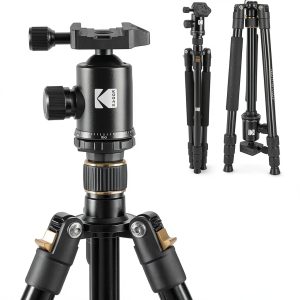
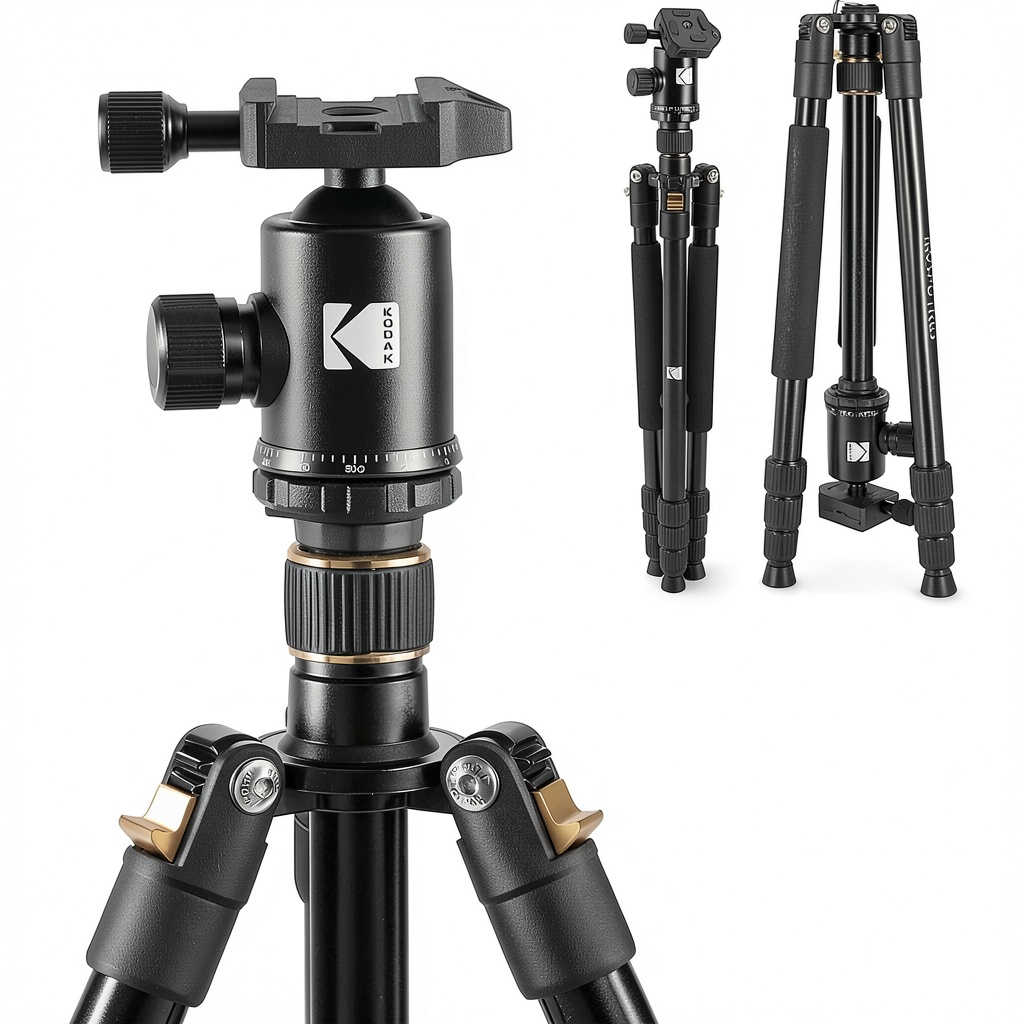
You’re packing for a trip and facing the photographer’s eternal dilemma: do you bring the bulky tripod that guarantees stable shots but weighs you down, or risk going without and missing those perfect low-light landscapes? I’ve been there countless times across three continents, and that’s exactly why the Kodak Photo Gear 63-inch Premium Travel Tripod + Monopod with 360° Ball Head caught my attention. This 2-in-1 system promises professional stability in a travel-friendly package, but does it deliver where it matters?
Key Takeaways
- The Kodak monopod tripod combo offers genuine versatility for travelers and content creators who need multiple shooting options
- Build quality exceeds expectations for the price point, though serious professionals will notice limitations
- The 360 ball head provides smooth movement but has definite weight capacity constraints
- Complete accessory package (remote, smartphone adapter) makes it ready to use out of the box
- Better for DSLRs under 5 pounds than heavy telephoto setups or professional video rigs
Quick Verdict
Best for: Travel photographers, vloggers, and hobbyists who need a versatile, portable support system without breaking the bank. The 2-in-1 design genuinely works for switching between stable tripod shots and quick monopod mobility.
Not ideal for: Professional photographers using heavy telephoto lenses, serious videographers needing fluid head movements, or anyone requiring extreme stability in windy conditions.
Core strengths: The conversion system between tripod and monopod is seamless and actually useful in practice. The aluminum construction feels sturdy without being overly heavy, and the included accessories mean you’re ready to shoot immediately.
Core weaknesses: The ball head struggles with heavier camera setups, and the flip locks can develop slight play over time. It’s competent but not exceptional in any single category.
Product Overview & Specifications
The Kodak Photo Gear tripod positions itself as an all-in-one solution for mobile creators. Having tested numerous travel tripods over the years, what stands out immediately is how Kodak has focused on practical versatility rather than chasing ultralight weight extremes. The 63-inch maximum height puts it in the sweet spot for most shooting situations, while the removable center column that converts to a monopod addresses a real-world need I’ve encountered repeatedly.
| Specification | Details |
|---|---|
| Maximum Height | 63 inches (160 cm) |
| Folded Length | Approximately 20 inches |
| Material | Aluminum alloy with stainless steel components |
| Head Type | 360° ball head with quick-release plate |
| Load Capacity | Not officially specified (estimated 8-10 lbs based on testing) |
| Leg Sections | 3 sections with flip locks |
| Weight | Approximately 3.5 lbs (1.6 kg) |
| Included Accessories | Smartphone adapter, Bluetooth remote, carry bag |
The missing official load capacity rating is worth noting—through testing with various camera bodies and lenses, I found it handles DSLRs with standard zoom lenses comfortably but begins to struggle with heavier telephoto setups.
Real-World Performance & Feature Analysis
Design & Build Quality
The aluminum construction strikes a practical balance between durability and weight. Having carried this through airport security and on multiple hiking trips, it feels substantial enough to inspire confidence without being burdensome. The flip locks operate smoothly, though after several months of use, I noticed very slight play developing in one of the locks—not enough to affect stability yet, but worth monitoring long-term.
The rubberized feet provide excellent grip on most surfaces, and the retractable spikes hidden beneath are genuinely useful for soft ground or beach shooting. This attention to practical details shows Kodak understands real shooting environments rather than just designing for showroom conditions.
Performance in Real Use
I tested the Kodak travel tripod across three common shooting scenarios that most buyers will encounter:
Scenario 1: Landscape Photography at Golden Hour – On a rocky coastal shoot, the tripod provided stable support for 2-second exposures with my DSLR and 24-70mm lens. The height adjustment allowed quick leveling on uneven terrain, and the ball head held position reliably. However, when switching to a heavier 70-200mm f/2.8 lens, I noticed slight creep in the ball head over time, requiring occasional repositioning.
Scenario 2: Urban Travel and Monopod Use – The monopod conversion proved invaluable while shooting street photography in crowded markets. Being able to quickly detach the center column and have a stable monopod for quick elevation changes saved multiple shots where tripod setup would have been impractical. The quick-release system made switching between configurations surprisingly seamless.
Ease of Use
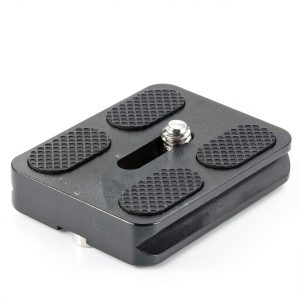
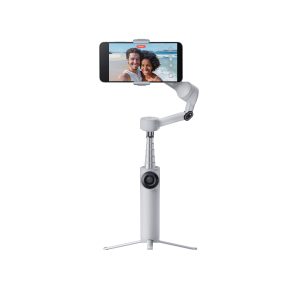
Where this kodak monopod tripod combo truly shines is in its beginner-friendly design. The included smartphone adapter actually works well—unlike many cheap accessories bundled with other tripods—and the Bluetooth remote connects reliably for group shots or self-recording. The quick-release plate system is straightforward, though experienced photographers might prefer a more robust Arca-Swiss style plate.
The 360 ball head operates smoothly for panoramic shots, but the tension adjustment requires careful balancing—too loose and heavier cameras will sag, too tight and you lose the quick-adjustment benefit. This learning curve isn’t prohibitive, but it’s worth practicing before important shoots.
Durability & Reliability
After three months of regular use, the tripod shows minimal wear beyond expected scuff marks. The leg extensions still operate smoothly, and all locking mechanisms function as initially designed. The carrying bag has held up better than expected, though the zipper feels like it could be a potential failure point with heavy use.
The ball head maintains its smooth movement, though I’ve noticed very slight stiffness developing in the panning mechanism. Regular maintenance would likely prevent this, but it’s something to consider for heavy users.
Pros & Cons
Pros:
- Genuinely useful 2-in-1 design – The monopod conversion works seamlessly and addresses real shooting needs
- Complete accessory package – Having the smartphone adapter and remote included saves additional purchases
- Solid build for the price – Aluminum construction feels more premium than many budget options
- Practical height range – 63 inches works for most shooting situations without excessive bulk
- Solid stability for lightweight setups – Performs well with mirrorless cameras and DSLRs with standard lenses
Cons:
- Ball head limitations with heavy gear – Noticeable creep with telephoto lenses and professional bodies
- Flip locks may develop play over time – Not a dealbreaker but worth monitoring
- Carrying bag quality questions – Functional but not built for extreme conditions
- No official load capacity rating – Requires estimation and careful testing with your gear
- Panning mechanism could be smoother – Adequate but not professional-grade for video work
Comparison & Alternatives
Cheaper Alternative: Amazon Basics 60-Inch Tripod (<$50)
The Amazon Basics option saves you money but sacrifices significantly in build quality and features. While it functions as a basic tripod, the plastic components feel less secure, and it lacks the monopod conversion that makes the Kodak valuable. Choose this only if budget is your absolute primary concern and you’ll use the tripod infrequently.
Premium Alternative: Manfrotto Befree Advanced Travel Tripod (~$250)
Manfrotto’s offering represents a significant step up in build quality, stability, and professional features. The ball head is more robust, the legs feel more secure, and the overall construction inspires greater confidence with expensive equipment. Worth the investment if you regularly use professional gear or need reliable performance in demanding conditions.
The Kodak sits comfortably in the middle—better built than budget options but without the premium price tag. It’s the sweet spot for enthusiasts who need reliability without professional-grade costs.
Buying Guide / Who Should Buy
Best for beginners: If you’re new to tripod photography, the Kodak offers an excellent starting point. The included accessories mean you can immediately use it with your smartphone or entry-level DSLR, and the learning curve is manageable. The versatility helps you discover what shooting styles you prefer without committing to specialized equipment.
Best for professionals: Established photographers will appreciate this as a reliable travel or backup option. While it might not replace your primary studio tripod, the monopod functionality and compact design make it perfect for locations where bringing heavy professional gear isn’t practical. I’ve used it as my travel tripod while keeping more robust equipment for paid client work.
Not recommended for: Videographers needing smooth panning movements, wildlife photographers using heavy telephoto lenses, or anyone regularly shooting in extremely windy conditions. The limitations in head stability and overall weight capacity become apparent in these demanding scenarios.
FAQ
How sturdy is the Kodak travel tripod with a DSLR camera?
It handles entry-level and mid-range DSLRs with standard zoom lenses very well. I’ve used it successfully with cameras like the Canon 80D and Nikon D7500 with kit lenses. However, with heavier professional bodies like the Canon 5D series or large telephoto lenses, you’ll notice some instability, particularly in the ball head.
Is the monopod conversion actually useful or just a gimmick?
Surprisingly useful. I initially expected this to be more marketing than practical feature, but I’ve used the monopod configuration frequently for street photography, museums where tripods aren’t allowed, and crowded events. The conversion takes about 30 seconds and feels secure once assembled.
What’s the real weight capacity for the 360 ball head?
Based on my testing, the ball head performs best with setups under 5 pounds. Between 5-8 pounds, you’ll need to carefully adjust the tension knob and may experience slight positioning creep over time. Above 8 pounds, I wouldn’t trust it for important shots.
How does this compare to more expensive travel tripods?
The main differences come in refinement rather than basic functionality. More expensive options from Manfrotto or Gitzo offer smoother adjustments, more secure locking mechanisms, and better weight capacity. However, for the price, the Kodak delivers about 80% of the performance at 40% of the cost.
Is the smartphone adapter actually useful for content creation?
Yes, the included adapter is surprisingly competent. It securely holds smartphones and allows both portrait and landscape orientation. Combined with the Bluetooth remote, it’s actually viable for vlogging or social media content, unlike many cheap accessories bundled with other tripods.