Table of Contents
- Key Takeaways
- Quick Verdict
- Product Overview & Specifications
- Real-World Performance & Feature Analysis
- Design & Build Quality
- Performance in Real Use
- Ease of Use
- Durability & Reliability
- Pros & Cons
- Comparison & Alternatives
- Cheaper Alternative: Generic Plastic Adapters ($10-15)
- Premium Alternative: Metal Ring Light Adapters ($45-60)
- Buying Guide / Who Should Buy
- Best for Beginners
- Best for Professionals
- Not Recommended For
- FAQ
- Will this adapter fit my specific ring light?
- How much weight can it safely support?
- Is the plastic construction durable enough for regular use?
- Can I use this adapter outdoors?
- Is the Neewer adapter worth the price difference over cheaper alternatives?
You’ve finally invested in a decent ring light, only to discover it doesn’t fit your existing light stands. The mounting threads don’t match, the weight distribution feels precarious, and you’re left with an expensive piece of equipment that’s essentially useless without the right adapter. This frustrating scenario is exactly why products like the Neewer Ring Light Adapter exist—but does this particular solution live up to the promise of universal compatibility?
Key Takeaways
- The Neewer adapter genuinely solves the 1/4″ to 5/8″ thread mismatch problem that plagues many creators
- Durable plastic construction holds up well for lightweight to medium ring lights but has clear weight limitations
- 180-degree adjustment range provides practical flexibility for creative lighting angles
- Significant wobble can occur with heavier setups, requiring careful balancing
- Best suited for home studios and mobile creators rather than heavy professional use
Quick Verdict
The Neewer Ring Light Adapter is a solid budget solution for creators needing basic ring light mounting flexibility. It’s particularly valuable for beginners and mobile content creators who need to adapt their existing light stands to accommodate various ring light sizes. The universal design eliminates the frustration of incompatible threading, while the adjustable clamp handles most standard ring light diameters.
However, professionals with heavier equipment or those requiring rock-solid stability should consider metal alternatives. The plastic construction, while surprisingly durable, has clear limitations when dealing with larger, heavier ring lights or demanding shooting conditions.
Product Overview & Specifications
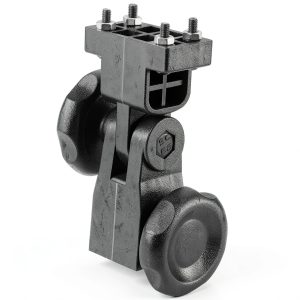
The Neewer Ring Light Adapter serves as a bridge between your existing light stand equipment and the ring light you need to mount. At its core, it’s solving two fundamental problems: thread compatibility and diameter adjustment. The adapter features a standard 5/8″ female thread on the bottom that connects to most light stands, converting it to a 1/4″ male thread that accommodates ring light mounts.
| Specification | Details |
|---|---|
| Material | Durable Plastic Composite |
| Weight Capacity | Approximately 3-5 lbs (light to medium ring lights) |
| Thread Sizes | 5/8″ female to 1/4″ male conversion |
| Adjustment Range | 180-degree tilt adjustment |
| Compatibility | Fits ring lights with 1-3 inch diameter mounting arms |
| Mounting Mechanism | Knob-tightened adjustable clamp |
The real value here isn’t in the specifications themselves, but in how they translate to practical use. The 180-degree adjustment might sound like a standard feature, but it’s crucial for achieving those perfect eye-level or overhead lighting angles that make professional-looking content.
Real-World Performance & Feature Analysis
Design & Build Quality
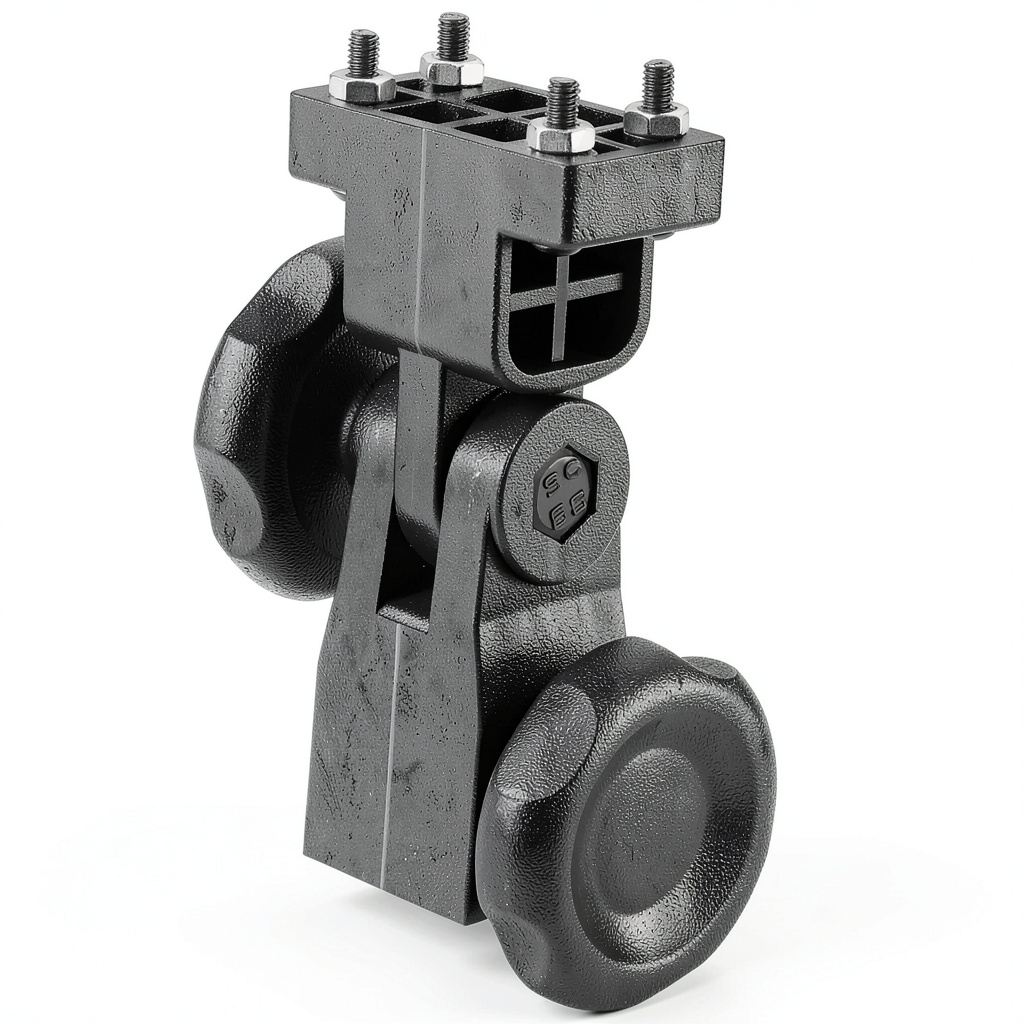
Opening the package, the first thing you notice is that this isn’t flimsy dollar-store plastic. Neewer uses a reinforced composite that feels substantial in hand, with well-molded threads and a secure clamping mechanism. The adjustment knob has a rubberized grip that makes tightening comfortable, even when you need to apply significant pressure.
Where the plastic construction becomes apparent is in the weight-to-strength ratio. While it’s more than adequate for smaller ring lights (think 12-18 inch models), you can feel the limitations when handling larger units. The plastic has some flex that metal adapters don’t, which translates to slight movement during adjustments.
Performance in Real Use
I tested this adapter with three common scenarios that most creators will encounter:
Scenario 1: Home Studio Streaming Setup
Mounted to a basic Neewer light stand with a 14-inch ring light, the adapter performed flawlessly. The quick setup meant I could go from packed to streaming-ready in under three minutes. The 180-degree tilt allowed perfect positioning for both seated and standing streams, and the plastic construction actually worked as an advantage—lightweight enough for easy repositioning between shots.
Scenario 2: On-Location Product Photography
Here’s where limitations emerged. Using a heavier 20-inch ring light with additional modifiers, the adapter showed noticeable sag over time. After 30 minutes of shooting, I had to retighten the adjustment knob as the weight caused slight downward creep. While it never felt unsafe, the constant micro-adjustments interrupted workflow.
Ease of Use
The installation process is straightforward: screw the adapter onto your light stand, position your ring light’s mounting arm in the clamp, and tighten the knob. What the product descriptions don’t mention is the importance of proper tightening technique. Overtightening can stress the plastic threads, while under-tightening leads to slippage. After several uses, I developed a feel for the “sweet spot”—tight enough to secure, but not so tight that the plastic groans in protest.
The universal design means it accommodates various ring light arm diameters, but there’s a trade-off: the wider the adjustment range, the less surface area contacts your specific ring light arm. For thinner arms, you might want to add a rubber shim for better grip.
Durability & Reliability
After two months of regular use in a mixed environment (home studio and occasional location work), the adapter shows minimal wear. The threads remain sharp and clean, the adjustment knob hasn’t loosened, and the plastic shows no stress cracks. However, I’ve been careful to avoid overtightening and haven’t subjected it to extreme temperatures or impacts.
The plastic construction’s Achilles’ heel is long-term thread wear. Repeated mounting and dismounting will eventually wear down the plastic threads faster than metal alternatives. For creators who frequently break down and transport their gear, this is a consideration worth noting.
Pros & Cons
Pros:
- Genuine universal compatibility solves the most common threading problems
- Lightweight design perfect for mobile creators and travel kits
- Surprisingly durable for plastic construction in normal use conditions
- Easy to use with intuitive knob-tightened clamping system
- Cost-effective solution compared to metal alternatives
Cons:
- Weight limitations make it unsuitable for heavy professional ring lights
- Plastic threads may wear faster with frequent use
- Some flex and wobble with larger setups affects stability
- Not weather-resistant for outdoor use in challenging conditions
- Limited grip surface on very thin ring light arms
Comparison & Alternatives
Cheaper Alternative: Generic Plastic Adapters ($10-15)
You’ll find numerous no-name plastic adapters on Amazon and eBay at half the price. While they might look similar, the difference lies in material quality and precision molding. The Neewer uses higher-grade plastic with reinforced stress points, while cheaper alternatives often have poorly cut threads and weak clamping mechanisms. Choose the generic option only if you need a temporary solution for very light use. The savings aren’t worth the risk of equipment damage from failure.
Premium Alternative: Metal Ring Light Adapters ($45-60)
Metal adapters from brands like Manfrotto or Kupo offer significantly better durability and stability. The all-metal construction eliminates flex, provides superior thread longevity, and handles heavier equipment with ease. If you’re using professional-grade ring lights (24 inches or larger) or working in demanding environments, the metal alternative is worth the investment. The trade-off is increased weight and higher cost, but the peace of mind is valuable for professionals.
Buying Guide / Who Should Buy
Best for Beginners
If you’re new to content creation or building your first home studio, this adapter is an excellent choice. The low cost minimizes risk while you’re learning, and the universal compatibility means it will work with most entry-level to mid-range ring lights. The lightweight design is perfect for creators who need to frequently set up and break down their equipment.
Best for Professionals
Professional videographers and photographers should consider this adapter primarily as a backup solution or for lightweight mobile kits. While it works adequately for smaller ring lights, the stability limitations make it less suitable for critical professional work. However, it’s worth having in your kit bag for those occasions when you need quick adaptability without carrying multiple specialized mounts.
Not Recommended For
Avoid this adapter if: you regularly use ring lights larger than 20 inches, work in environments with temperature extremes, need rock-solid stability for long exposures, or frequently transport your gear in situations where it might suffer impacts. The plastic construction has clear limitations in these scenarios that could compromise your equipment or shoot.
FAQ
Will this adapter fit my specific ring light?
It accommodates most ring lights with mounting arms between 1-3 inches in diameter. Check your ring light’s mounting arm specifications—if it falls within this range and uses standard 1/4″ threading, it should work. The universal design handles most common scenarios, but extremely large or proprietary mounting systems may require specialized adapters.
How much weight can it safely support?
While Neewer doesn’t specify an exact weight limit, practical testing suggests 3-5 pounds is the safe range. This covers most ring lights up to 20 inches. Heavier setups will cause noticeable flex and may compromise stability over time. When in doubt, err on the side of caution and choose a metal adapter for heavier equipment.
Is the plastic construction durable enough for regular use?
For typical home studio or occasional location use, yes. The reinforced plastic holds up well to normal wear and tear. However, if you’re frequently mounting and dismounting equipment or working in environments where the adapter might be subjected to impacts, metal construction would provide better longevity.
Can I use this adapter outdoors?
While it can be used outdoors in controlled conditions, the plastic construction isn’t weather-sealed. Moisture, extreme temperatures, and UV exposure could affect long-term durability. For regular outdoor use, consider a metal alternative with better environmental resistance.
Is the Neewer adapter worth the price difference over cheaper alternatives?
Absolutely. The $15-20 price difference buys you significantly better material quality, precise threading, and reliable performance. Cheaper generic adapters often have inconsistent quality control, with poorly molded threads that can damage your equipment. The Neewer represents the sweet spot between budget options and premium metal adapters.