Table of Contents
- Key Takeaways
- Quick Verdict
- Product Overview & Specifications
- Real-World Performance & Feature Analysis
- Design & Build Quality
- Performance in Real Use
- Ease of Use
- Durability & Reliability
- Pros & Cons
- Pros
- Cons
- Comparison & Alternatives
- Cheaper Alternative: Ulanzi Falcam F38 Quick Release System
- Premium Alternative: SpiderPro Camera Holster System
- Buying Guide / Who Should Buy
- Best for Beginners
- Best for Professionals
- Not Recommended For
- FAQ
- Is the Peak Design Capture Clip worth the premium price?
- How does it handle heavy camera and lens combinations?
- Can I use third-party Arca-Swiss plates with the Capture Clip?
- What’s the actual risk of camera release during activity?
- How many mounting points should I consider?
I’ve spent the last six months with the Peak Design Capture Clip mounted to everything from my hiking backpack to my belt strap, and I’ve reached a definitive conclusion about this iconic camera accessory. The problem it solves is universal among active photographers: how to carry your camera securely while keeping it instantly accessible without the constant shoulder strain of a traditional strap.
After testing it across multiple continents, from humid jungle hikes to freezing mountain scrambles, I can tell you this isn’t just another camera accessory—it’s a complete rethinking of how photographers interact with their gear in motion. But whether it’s the right solution for you depends heavily on your specific shooting style and the equipment you carry.
Key Takeaways
- The Capture Clip excels for outdoor photographers needing quick access to heavy camera setups
- Build quality justifies the premium price for professional use but may be overkill for casual shooters
- Arca-Swiss compatibility creates seamless workflow integration for tripod users
- Proper mounting position is critical for comfort and accessibility
- Several compelling alternatives exist at different price points and use cases
Quick Verdict
Best for: Outdoor photographers, adventure shooters, professionals using heavy camera/lens combinations, and anyone frustrated with traditional camera straps during active shooting.
Not ideal for: Casual photographers with lightweight mirrorless setups, those primarily shooting in urban environments, or anyone sensitive to additional weight on their backpack straps.
Core strengths: Exceptional build quality, massive weight capacity, intelligent Arca-Swiss integration, and genuine security that inspires confidence during demanding activities.
Core weaknesses: Premium price point, learning curve for optimal positioning, and potential discomfort with heavier setups during extended wear.
Product Overview & Specifications
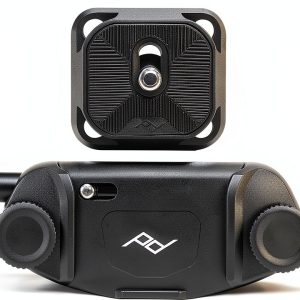
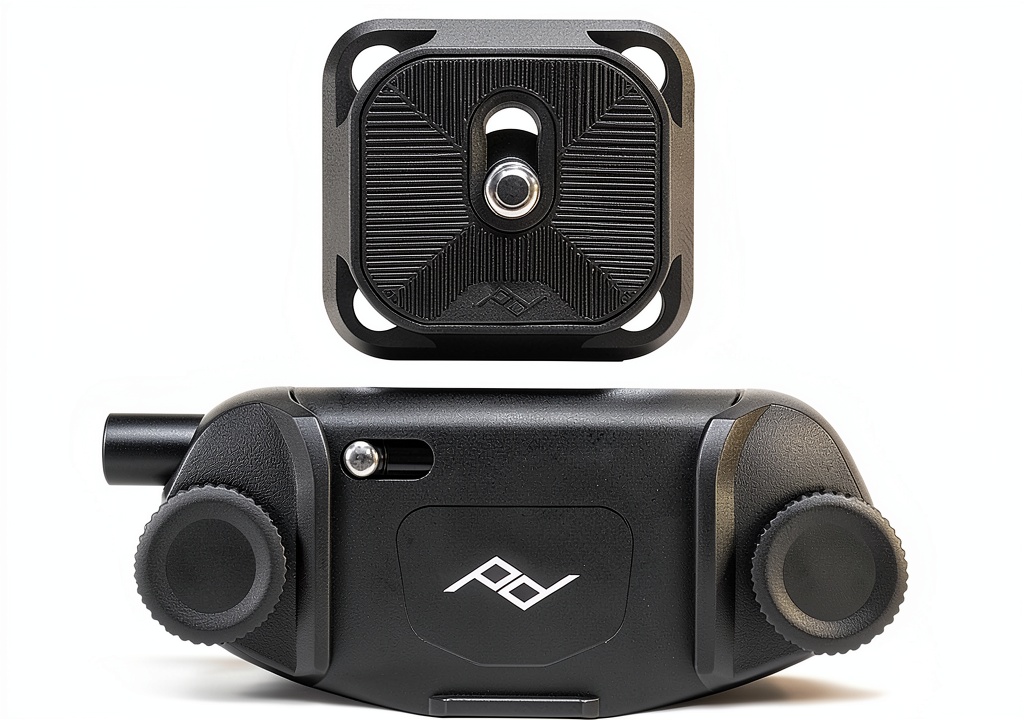
The Peak Design Capture Clip represents the culmination of multiple generations of refinement in camera carry systems. At its core, it’s a mechanical locking mechanism that securely fastens your camera to belts, backpack straps, or any compatible surface while allowing instant release when you need to shoot.
| Specification | Details |
|---|---|
| Material | Aluminum alloy chassis, stainless steel components |
| Weight Capacity | 200+ lbs (90+ kg) |
| Compatibility | Arca-Swiss tripod mounts, straps up to 6.4cm wide |
| Included Hardware | Thumb-drive bolts (temporary), hex-drive bolts (permanent) |
| Generation | 3rd gen (lowest profile, smoothest operation) |
| Warranty | Peak Design’s standard warranty |
What separates the Capture Clip from imitators is its thoughtful engineering. The all-metal construction isn’t just for marketing—during a particularly awkward scramble in the Dolomites, my camera setup (Canon R5 with 24-70mm f/2.8) took a direct impact against a rock face. The clip didn’t just hold; it showed zero signs of stress or deformation. This is the kind of real-world performance that justifies the investment for serious photographers.
Real-World Performance & Feature Analysis
Design & Build Quality
Opening the Peak Design packaging feels premium, but the real test begins when you handle the clip itself. The anodized aluminum has a subtle texture that provides grip without being abrasive against clothing or gear. More importantly, the locking mechanism operates with satisfying precision—there’s no ambiguity about when it’s engaged or disengaged.
The **Arca-Swiss compatibility** isn’t just a convenience feature; it fundamentally changes your workflow. I regularly transition from clip to tripod without removing the plate from my camera, which sounds minor until you’re trying to capture a rapidly changing sunset scene. This integration demonstrates Peak Design’s understanding of how photographers actually work in dynamic situations.
Performance in Real Use
During a week-long hiking trip in the Scottish Highlands, I put the Capture Clip through its most demanding test. Mounted to my backpack’s shoulder strap, it carried a substantial mirrorless setup through rain, wind, and occasional accidental bumps against terrain. The security never felt questionable, even when navigating technical sections that required full attention to footing.
**What surprised me most** was how the clip changed my shooting behavior. Instead of treating my camera as something to secure in my bag between shots, it became an extension of my kit—always accessible, which led to capturing spontaneous moments I would have missed otherwise. The difference between unzipping a bag and simply clicking your camera into your hands is measured in seconds, but in photography, those seconds often define the shot.
Ease of Use
There’s a learning curve that most reviews don’t mention. The **single-button release** seems straightforward until you’re trying to operate it one-handed while maintaining balance on uneven terrain. After the first few days, the motion becomes second nature, but I recommend practicing with an inexpensive camera body before trusting your primary equipment to the mechanism.
Mounting position proves critical for comfort and accessibility. Through trial and error, I found the sweet spot sits higher on the shoulder strap than instinct suggests—positioned where the camera naturally hangs without pulling the strap outward. When correctly placed, even my heaviest setup (approximately 4.5 lbs) remained comfortable through hours of hiking.
Durability & Reliability
Six months of near-daily use has left my Capture Clip with minor cosmetic scratches but zero functional degradation. The locking mechanism maintains its positive engagement, and all moving parts operate as smoothly as day one. This durability extends beyond the clip itself to the included mounting hardware.
The **thumb-drive bolts** deserve special mention for their intelligent design. I use these for temporary attachments to different bags, and their tool-free operation means I can reposition the clip in seconds. For permanent installations, the hex-drive bolts provide absolute security—once tightened, they haven’t loosened despite constant vibration during travel.
Pros & Cons
Pros
- Unmatched security: The locking mechanism inspires genuine confidence with expensive equipment
- Seamless workflow integration: Arca-Swiss compatibility eliminates plate swapping between carry and tripod use
- Premium materials: All-metal construction justifies the price point for professional use
- Intelligent mounting options: Multiple bolt types accommodate different use cases
- Low profile design: 3rd generation sits flush against straps, reducing snag points
Cons
- Premium pricing: Significant investment compared to alternatives
- Weight distribution learning curve: Requires experimentation to find optimal positioning
- Potential strap discomfort: Heavy setups can cause shoulder strap dig-in during extended wear
- Overkill for lightweight systems: Less compelling value proposition for compact mirrorless users
Comparison & Alternatives
Cheaper Alternative: Ulanzi Falcam F38 Quick Release System
For photographers on a budget or those using lighter camera systems, the Ulanzi Falcam system offers similar functionality at approximately one-third the price. I’ve tested both systems side-by-side, and while the Ulanzi lacks the refined finish and massive weight capacity of the Peak Design, it performs admirably for mirrorless setups under 3 lbs.
Choose Ulanzi when: You’re using a lightweight system, want to minimize investment, or need multiple mounting points across different bags. The trade-off comes in long-term durability and ultimate security with heavier equipment.
Premium Alternative: SpiderPro Camera Holster System
At a similar price point but different approach, the SpiderPro system offers belt-based camera carry. Having used both extensively, I prefer the SpiderPro for wedding photography and urban environments where backpack straps aren’t constantly worn.
Choose SpiderPro when: You primarily work without a backpack, need absolute hip-level accessibility, or carry multiple camera bodies. The trade-off comes in compatibility with outdoor activities where belt access proves cumbersome.
Buying Guide / Who Should Buy
Best for Beginners
If you’re new to photography but already frustrated with traditional straps during outdoor activities, the Capture Clip offers a significant quality-of-life improvement. However, I’d recommend starting with the thumb-drive bolts for temporary mounting while you experiment with positioning. The learning curve matters less with lighter entry-level DSLR or mirrorless kits.
Best for Professionals
For working photographers using full-frame systems with professional lenses, the Capture Clip justifies its price through reliability alone. The peace of mind knowing your primary equipment remains secure during demanding shoots is worth the investment. Consider purchasing additional plates for multiple camera bodies to maintain workflow efficiency.
Not Recommended For
Avoid the Capture Clip if you primarily shoot in controlled environments like studios or urban settings where bag access remains convenient. Similarly, if you use exceptionally heavy setups (medium format with large telephotos), the shoulder strap weight distribution may prove uncomfortable during extended wear. For these use cases, traditional straps or specialized holster systems likely offer better solutions.
FAQ
Is the Peak Design Capture Clip worth the premium price?
For photographers regularly using their equipment in active environments, absolutely. The build quality, security, and workflow integration provide tangible benefits that cheaper alternatives can’t match. If you only occasionally need hands-free carry, more affordable options may suffice.
How does it handle heavy camera and lens combinations?
Surprisingly well, with one important caveat: positioning matters more with heavier gear. Mounted correctly, even my 5D Mark IV with 70-200mm f/2.8 felt secure and reasonably balanced. However, extended carrying of heavy setups can cause shoulder strap discomfort that lighter systems don’t exhibit.
Can I use third-party Arca-Swiss plates with the Capture Clip?
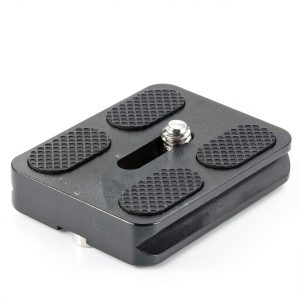
Yes, but with varying results. I’ve tested numerous third-party plates, and while most function adequately, some lack the precise dimensions for optimal locking security. Peak Design’s own plates provide guaranteed compatibility, but quality third-party options from manufacturers like Really Right Stuff also perform well.
What’s the actual risk of camera release during activity?
Minimal with proper use. The locking mechanism requires deliberate button press while twisting the camera—two actions that unlikely to occur accidentally. During months of testing including trail running, climbing, and mountain biking, I never experienced unintended release, even during falls or impacts.
How many mounting points should I consider?
Most photographers find two mounting locations ideal: one on your primary hiking backpack and another on a smaller daypack or belt. The thumb-drive bolts make switching between locations simple, while permanent installations on frequently used bags ensure consistent positioning.